Orthodontics

Orthodontics

Ortodonti

Why Do Orthodontic Problems Occur?
Orthodontic disorders may develop due to prolonged use of baby bottles or pacifiers, as well as habits such as thumb sucking or nail biting. These habits should be treated as early as possible, as early prevention is crucial for proper skeletal development.

Spacing between teeth can occur when the tongue is larger than normal or when gaps form due to missing teeth. If the jaw structure is small and the teeth are large, the teeth may not fit properly, leading to crowding.

Early or late loss of baby teeth is another cause of dental crowding. When baby teeth fall out too early, the existing permanent teeth may shift into the empty space, preventing other teeth from erupting correctly and resulting in misalignment.

How Are Orthodontic Problems Treated?
For conditions such as an overdeveloped or underdeveloped lower jaw, treatment is determined based on the patient's age. If the patient is in adolescence and has an underdeveloped upper or lower jaw, orthodontic techniques may be sufficient. In adults, skeletal problems can only be corrected through a combination of orthodontic treatment and surgery.

Functional issues, such as mouth breathing, may also lead to jaw discrepancies. Since mouth breathing causes the upper jaw to remain narrow, it typically results in a V-shaped jaw structure.

Is Orthodontic Treatment Necessary?
Orthodontic treatment is not only for aesthetic concerns. It also aims to prevent future gum diseases, eliminate jaw joint problems, improve chewing function, and help individuals with speech disorders overcome these difficulties. Depending on the orthodontic issue, treatment options may include removable appliances, functional appliances, or fixed appliances. Minor orthodontic problems can often be corrected with simple removable appliances that patients can easily insert and remove themselves.

After orthodontic treatment, retention therapy is necessary to prevent the teeth from shifting back to their original positions. Various passive appliances are recommended during this phase.

Braces Treatment
Braces treatment, which aligns the teeth and jaw in a harmonious three-dimensional structure, is performed by orthodontists. Also known as orthodontic treatment, braces provide people of all ages with an improved smile, better oral and dental health, and a higher quality of life.

How Is Braces Treatment Performed?
Braces work by applying continuous pressure in a specific direction over a certain period of time. If excessive force is applied, it may damage the teeth and surrounding tissues, so the treatment must be carried out carefully.

Only gentle, consistent pressure is needed for the teeth to move into the desired position. Brackets—small attachments with slots for wires—are bonded to the teeth. Since brackets remain on the teeth at all times, they continuously contribute to the treatment. The wire attached to the brackets applies controlled pressure to help the teeth shift into the correct position over time.

The goal of braces treatment is to move the teeth within the bone structure. However, this movement cannot occur within a few days. Teeth typically move about 1–2 mm per month. At certain stages of treatment, patients may also be asked to use elastic bands, which they can easily replace on their own daily. These elastics help guide the teeth into the targeted position.

Thanks to modern techniques, the desired results can now be achieved with shorter and less frequent appointments. Patients can also choose from various bracket options, including metal, ceramic, and clear brackets, each offering different advantages.

When Should Braces Treatment Begin?
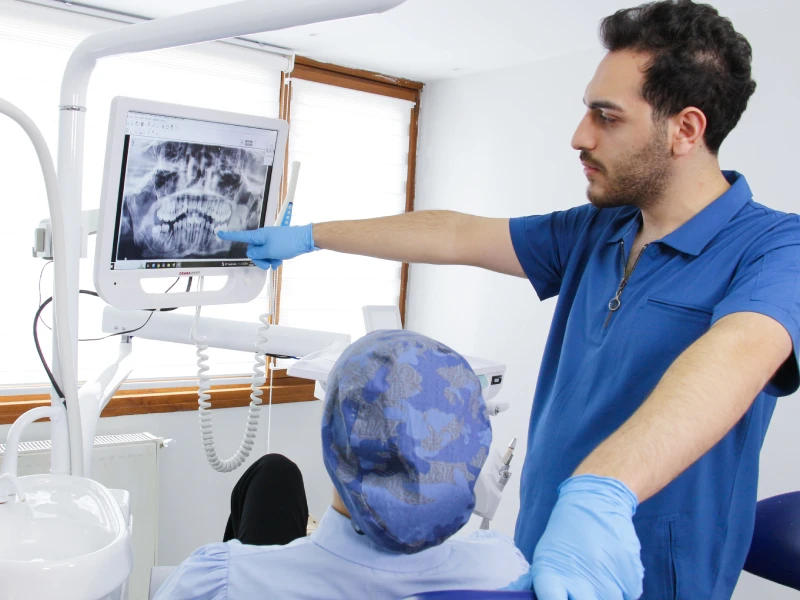
Early treatment is extremely important for preventing major problems in the future. Generally, braces treatment does not begin before the age of 10–12. Even if no treatment is performed at the first visit, the examination and X-rays play an essential role in monitoring growth and development for future evaluations.

What Should Be Considered During Braces Treatment?
Braces treatment is a long-term process that requires patience and attention. Orthodontists must clearly explain the treatment process to the patient, and the patient must follow all instructions carefully. Otherwise, the desired results cannot be achieved. Mild discomfort or pain may occur for a short time after the braces are placed.

Patients should avoid certain foods and beverages during treatment. Hard foods such as apples, pears, hard bread crusts, chips, and nuts, as well as sticky foods like jelly candies, Turkish delight, caramel chocolates, and gum, can dislodge the brackets. Carbonated or alcoholic drinks should also be avoided. Softer, easy-to-chew foods are recommended.

Braces Care
To avoid damaging the brackets during brushing, patients should avoid using hard toothbrushes or applying excessive pressure. Instead, a soft toothbrush should be used with gentle brushing movements. Interdental brushes help clean between the brackets, and floss with a stiffened end can also be used to clean between the teeth.

Dentaöz - Ağız ve Diş Sağlığı Polikliniği
Hello, how can we help you?
06:13
As Dentaöz, we use cookies on our website. This Cookie Policy (“Policy”) applies to the website located at https://dentaoz.com/ managed by Dentaöz, and cookies will be used as described in this Policy.

I accept